Designing the Ideal Custom Fresh Boxes: A Progressive Guide
Constructing specialized fruit and vegetable boxes requires a deliberate approach. Specialists must consider environmental impact, functionality, and visual appeal. Selecting the suitable materials is crucial for maintaining freshness and advancing environmentally conscious practices. Additionally, dimensions and shape can significantly impact ease of use and transport efficiency. Effective visual elements enhance brand identity, while thorough testing guarantees durability. Comprehending these elements will reveal vital understanding into creating standout packaging solutions that appeal to consumers. What follows is essential to reaching those goals.
Determining the Best Options for Custom Produce Boxes
When determining materials for custom produce boxes, it is important to examine both functionality and environmental consideration. The selection of material substantially shapes the box's wear resistance, weight, and ability to defend the contents. Common materials include corrugated cardboard, which offers strength and is recyclable, making it a popular choice for eco-conscious businesses. Compostable options, such as molded pulp or plant-based plastics, also correspond with eco-conscious practices while providing ample protection for delicate produce.
Additionally, moisture protection is important for keeping freshness intact, moving some producers to examine treated materials or targeted protective finishes. The visual character of the box must not be ignored, as brand messaging and design aesthetics can impact customer attitudes. Ultimately, the suitable material should maintain equilibrium between preserving the goods, satisfying consumer preferences, and adhering to environmental standards, making certain that usefulness and environmental responsibility are central to the creation phase.
How to Pick Size and Shape for Performance?
When selecting the dimensions and form of custom produce boxes, careful assessment of produce measurements is essential for effective storage. Additionally, attention to movement and transportation can affect the box structure, ensuring ease of movement. Optimizing shelf space usage further enhances functionality, enabling effective presentation and organization.
Review Produce Dimensions Carefully
Assessing the suitable size and shape for vegetable boxes is fundamental for functionality and efficiency. Thorough measurement of produce dimensions is critical, as it guarantees that goods fit firmly without surplus room that could produce damage during storage or transport. Custom boxes need to accommodate assorted configurations, from delicate berries to heavy vegetables, while sustaining durability. Furthermore, the depth and height of the boxes should enable stacking and inventory management, optimizing space in storage facilities. A well-designed box not only shields the produce but also strengthens consumer attraction for buyers. To sum up, careful consideration of dimensions contributes to minimizing losses and advancing overall user experience in the supply chain.
Think About the Process of Handling and Transport
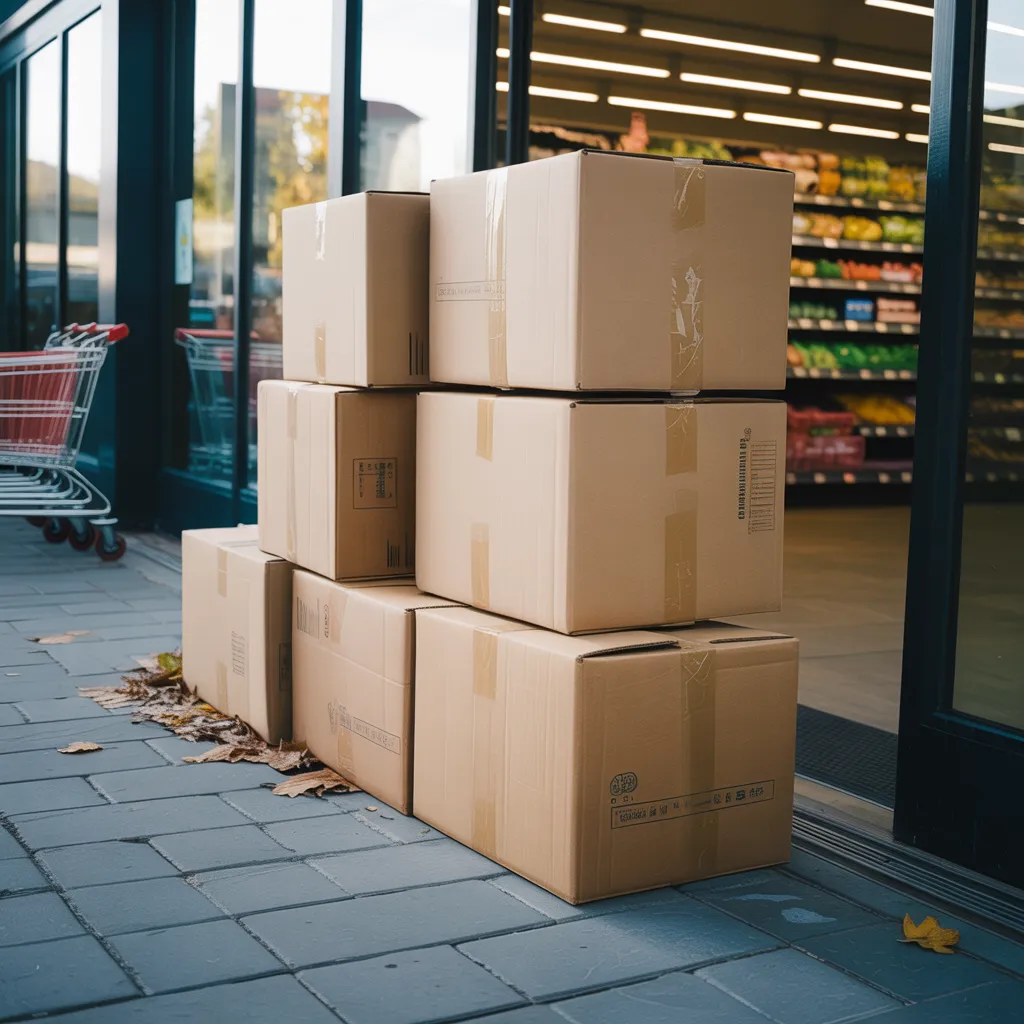
Transport and handling factors play a significant role in determining the proper dimensions and shape of custom agricultural containers. The dimensions must hold the produce without surplus space, which could result in shifting and damage during transport. Compact boxes facilitate easier handling, while bigger containers may be necessary for bulkier items. Furthermore, proper design is vital; grips or access points should be deliberately positioned to allow for pleasant raising and carrying. The shape of the box also impacts layering and stability, making sure that items remain secure. In the end, careful consideration of such aspects boosts the efficiency of delivery, minimizes product waste, and upholds the overall soundness of the fresh items starting farm until end user.
Improve Shelf Space Optimization
Optimizing shelving performance depends on choosing the suitable proportions and design of specialized produce boxes. Planners should evaluate the dimensions of the storage systems as well as the types of produce being arranged. Rectangular boxes often enhance space efficiency, facilitating for more straightforward organization and positioning. In contrast, unusual shapes can heighten design appeal but may cause unused space if not properly structured.
It's vital to scrutinize the merchandise movement rate; slow-turning items might take advantage of compact, readily accessible boxes. Furthermore, incorporating modular or adjustable designs can accommodate multiple produce sizes while refining shelf layout. By centering on visual appeal combined with practicality, businesses can develop a practical and aesthetically pleasing presentation that enhances both ease of access and promotional impact.
How to Craft Graphics That Attract Attention?
Impactful graphics can transform a simple custom produce box into a visual masterpiece that attracts attention. To succeed this, creative professionals should start by selecting a color mix that mirrors the freshness and vibrancy of the produce. Bright, eye-catching colors can evoke emotions of freshness and fitness, driving consumers to take a extended glance.
Using strong typefaces is equally important; clear and legible fonts can effectively communicate key details while improving visual appeal. Additionally, incorporating high-quality images of the produce can create an immediate connection, showcasing the product's quality and enticing potential buyers.
Furthermore, adding distinctive designs and visuals can help distinguish the brand in a competitive market. Uniformity in visual components, such as logos and taglines, reinforces brand identity. Ultimately, a blend of creativity and clarity in graphic design can greatly elevate the effect of custom produce boxes, making them become prominent on shelves.
Environmentally Responsible Practices for Custom Produce Box Packaging
An increasing quantity of businesses are adopting eco-friendly methods for custom produce box packaging, recognizing its importance in today's eco-aware market. These practices often encompass the use of biodegradable materials, such as recycled paper and plant-based plastics, which reduce environmental impact. Companies are also concentrating on sustainable sourcing, ensuring that materials are obtained from responsibly managed forests or suppliers who emphasize environmental stewardship.
Additionally, many brands are selecting minimalistic layouts that reduce waste while still effectively displaying their products. This approach not only appeals to eco-conscious consumers but also helps in lowering production costs. Moreover, businesses are progressively implementing efficient manufacturing processes that restrict energy consumption and waste generation. By incorporating these eco-friendly practices, companies not only enhance their brand image but also contribute positively to the planet, matching their operations with a sustainable future.
Evaluate Your Bespoke Produce Box Format
Testing the construction of bespoke vegetable packaging is an significant step in confirming they meet both appearance-based and performance-based standards. This process generally encompasses studying components such as durability, size, and practical use. First, working models need to be developed to inspect the package's structural integrity, ensuring it can withstand shipment and preservation without compromising the contents.
Following this, user testing sessions can be executed to measure how readily the boxes can be unfastened, closed, and stacked. Comments from prospective users can be invaluable in this phase, delivering understanding of the box's usefulness.
Furthermore, the aesthetic quality of the design should be evaluated through consumer testing panels or questionnaires, measuring customer responses to branding elements, color schemes, and overall presentation.
In the end, comprehensive testing allows designers to refine the box, ensuring it not only appeals to customers but also effectively protects and presents the produce within, striking the right equilibrium between form and function.
Promoting Your Custom Produce Boxes Effectively
Effective advertising of personalized produce boxes calls for a strategic approach that stresses their unique features and benefits. Businesses should focus on identifying their target audience, whether they are local farms, grocery stores, or individual consumers. Harnessing social media platforms can amplify market visibility, displaying the boxes' design and practicality through engaging visuals and storytelling.
In addition, joining forces with local influencers or farmers can solidify credibility and increase visibility. Launching promotions or discounts during seasonal peaks can appeal to debut customers and motivate repeat business.
Additionally, emphasizing environmental responsibility and green practices in promotional content can appeal to environmentally conscious consumers. Providing comprehensive details about material composition and the benefits of custom packaging can better distinguish the offering useful tips in a crowded marketplace.
In the end, a extensive promotional approach that merges digital and community-based efforts will effectively promote custom produce boxes, engaging a diverse clientele and increasing sales.
Common Inquiries Posed Regularly
What Fees Accompany Custom Produce Box Design?
Expenses linked to custom produce box design include materials, printing, labor, and transport. Furthermore, creative design and minimum order quantities can influence total expenses, causing fluctuating prices based on exact requirements and production volume.
What Length of time Is Needed to Manufacture Custom Boxes?
The production of personalized packaging generally takes between two to six weeks. Elements affecting this schedule include design complexity, materials availability, and production capacity, all of which can affect shipping timelines and turnaround periods.
May I Purchase a Compact Shipment of Made-to-Order Produce Boxes?
Yes, modest amounts of custom produce boxes can typically be purchased. Many vendors offer minimum order quantities, allowing businesses or individuals to obtain customized packaging options without having to pledge to substantial volumes at first.
What Common Blunders Should You Dodge in Made-to-Order Box Design?
Frequent errors in custom box design encompass overlooking functionality, ignoring brand consistency, underestimating material quality, not considering target audience preferences, and disregarding environmental impact. Each aspect is vital for successful packaging and customer satisfaction.
How Do I Guarantee That My Boxes Are Food-Safe?
To guarantee boxes are safe for food, one must choose substances certified for food contact, avoid harmful inks and adhesives, keep cleanliness during production, and regularly test for compliance with health regulations and safety standards.